Professional Sponge Rubber Float, Expanded Mousse, Wooden Handle, Aluminum Support
Type

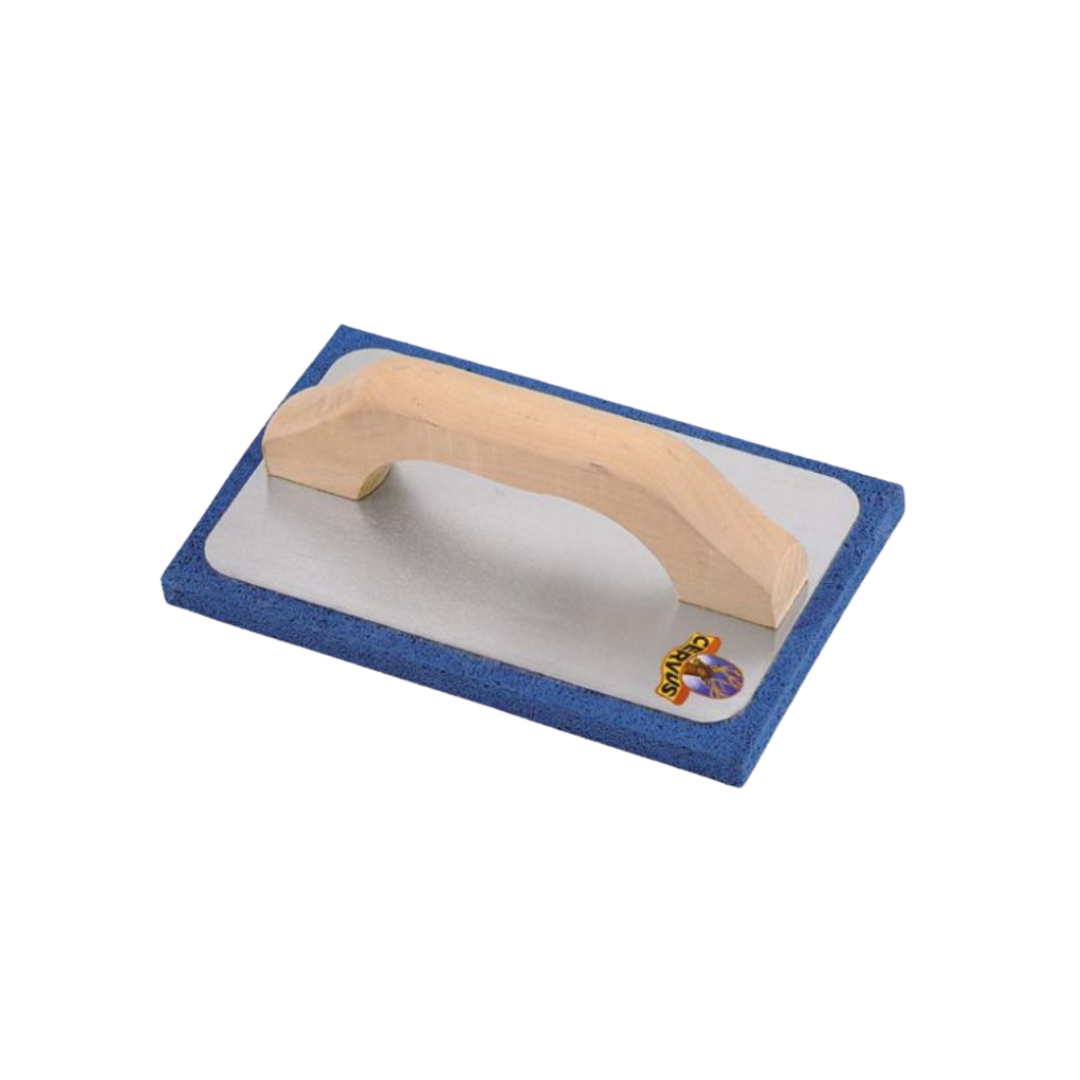
Professional Sponge Rubber Float, Expanded Mousse, Wooden Handle, Aluminum Support
Blue 140x210mm
Punto Vendita Monselice Net Coatings
Via Emilia 2
35043 Monselice PD
Italy
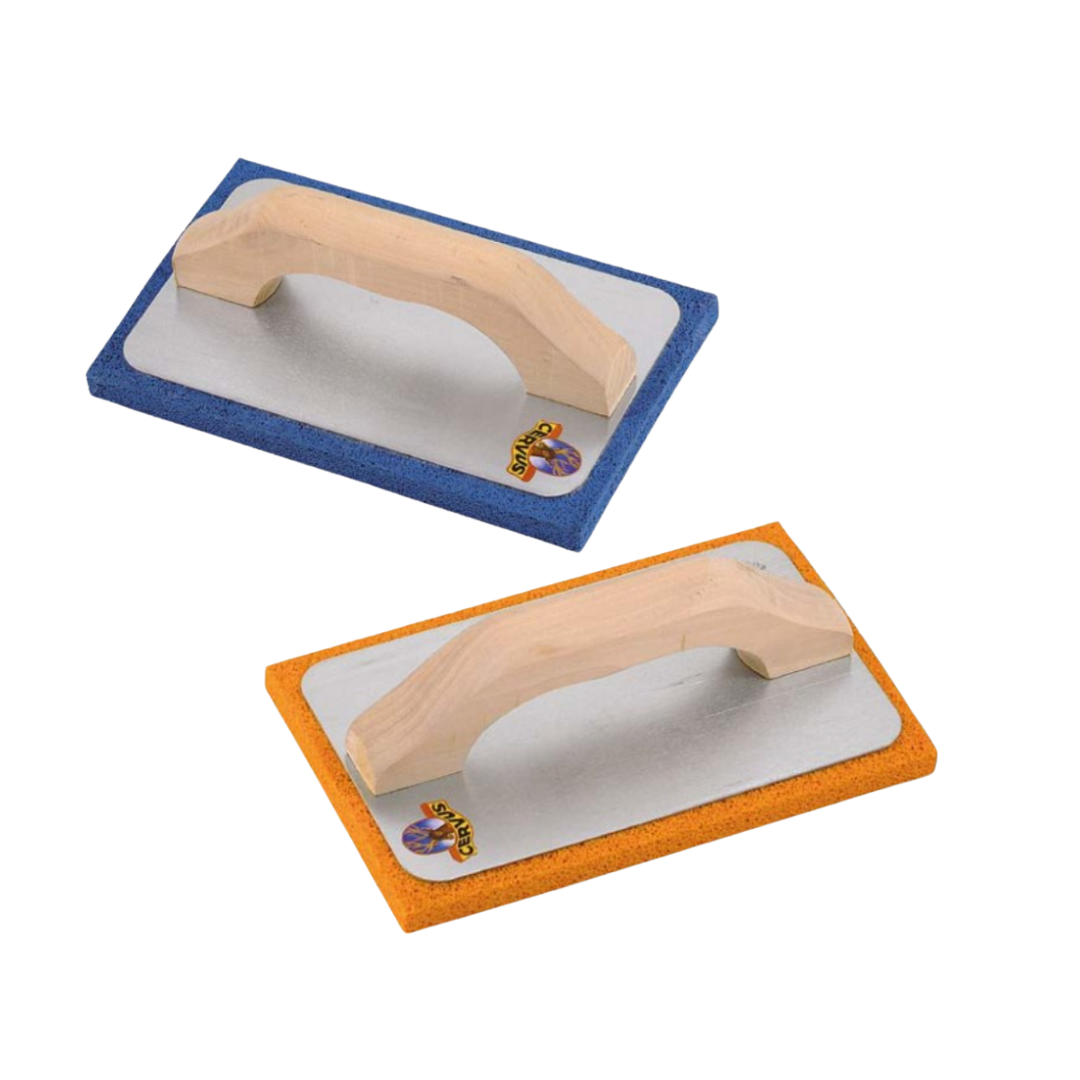
The Professional Sponge Rubber Float is the finishing tool of choice for plaster and skim coat work, available in two technically different versions to meet the specific needs of the various product types used on site.
Choosing the correct version is not an aesthetic matter but a technical one: the density and compressibility of the sponge directly affect the quality of the final finish and the ease of working the substrate.
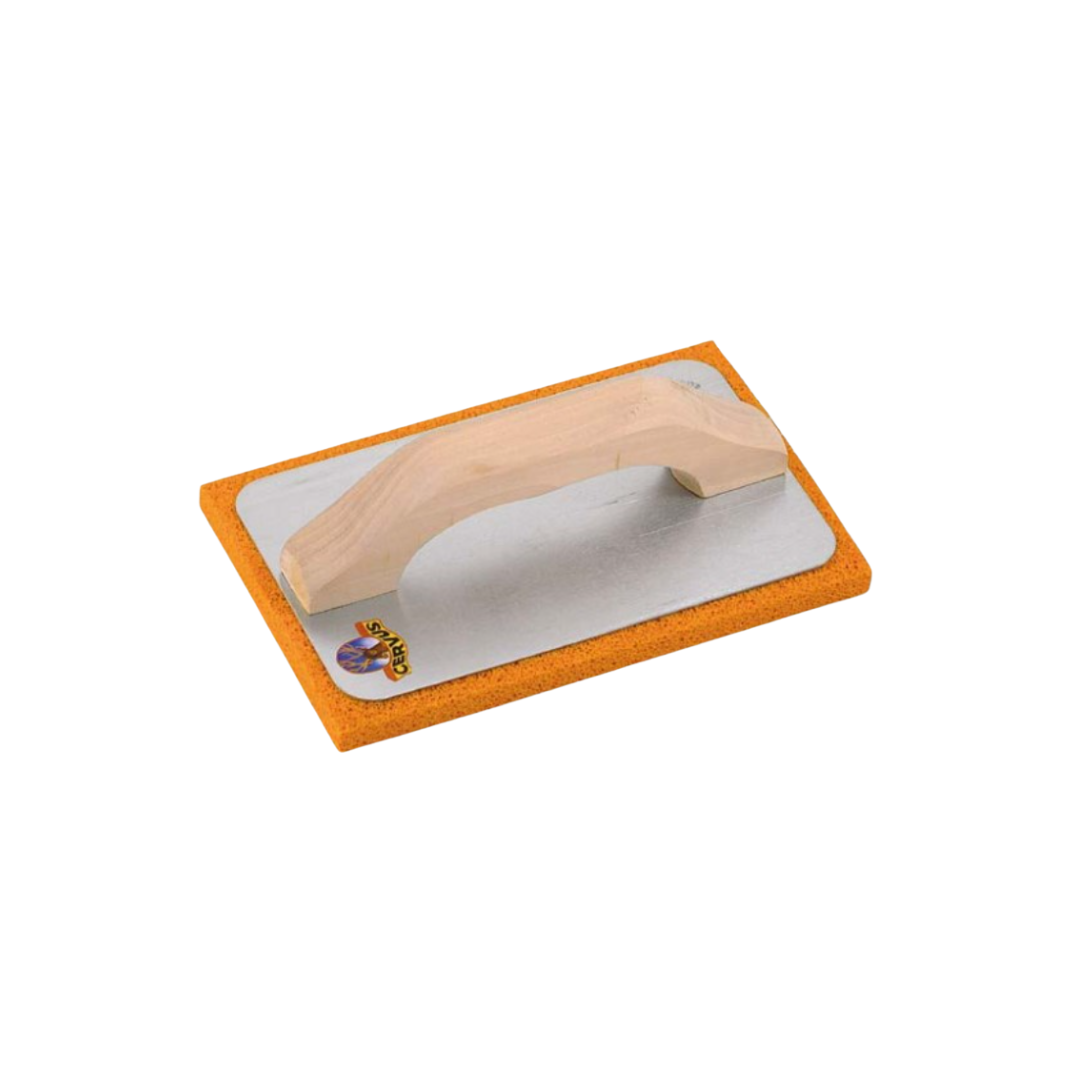
The orange version is made with soft expanded foam 14 mm thick and is specifically designed for use with premixed plaster, skim coats, and fine-grain products that require a sponge with good absorbency and flexibility under pressure. The result is a finished, even surface free of marks.
The blue version is made with rigid expanded foam 15 mm thick and is the ideal tool for traditional lime and cement-based plaster, which require a more compact and durable sponge capable of working coarser materials without deforming. Its greater rigidity ensures precise pressure control and a consistent finish even on large surfaces.
Both versions share the same support structure: an ergonomic wooden handle for a secure, comfortable grip, and a sturdy, lightweight aluminium support that ensures a flat working surface and long-lasting durability. Both products are made in Italy with Professional certification.
Available variants:
Orange Sponge Rubber Float 140 x 210 mm (code 69060) — soft expanded foam 14 mm, for premixed plaster.
Blue Sponge Rubber Float 140 x 210 mm (code 69066) — rigid expanded foam 15 mm, for traditional plaster.
Technical features common to both variants:
- Size: 140 x 210 mm
- Handle: ergonomic wood
- Support: aluminium
- Certification: Professional
Apply the float to the surface of the still-fresh plaster using circular or crosswise motions, applying even and consistent pressure. Circular motions help close the pores and distribute the material evenly across the surface. For the final finish, use linear motions in the desired direction to even out the texture.
Rinse the sponge periodically in clean water and wring it out during work to remove any material residue that accumulates in the foam cells and could compromise the quality of the finish.
At the end of the job, wash the float thoroughly with clean water, removing all plaster residue from the sponge before it hardens. Do not leave the wooden handle immersed in water for extended periods.