Filters

Filters

to
35 products
Sort by
Sort by
Save 5%
Spray can Nitro RAL Matt Vercnice RAL Matt 6 PCS Spray can Nitro RAL Matt Vercnice RAL Matt 6 PCS
Spray can Nitro RAL Matt Vercnice RAL Matt 6 PCS
Sale price€47,50 Regular price€50,00
Antirust One-component Red IC 105 Rapid Drying 1 Kg 91840
Megasid Rust Converter Filament 1 KG
Sale price€18,50
€18,50 /kg
Sandable acrylic primer for bodywork DeBeer 8-145 Gray 1 LT + catalyst 500ML
Catalyst DeBeer HS Hardener 8-140 8-150 8-160 2.5lt Catalyst DeBeer HS Hardener 8-140 8-150 8-160 2.5lt
DEBEER Transparent Air 8-774 Allround Clear 5Liters DEBEER Transparent Air 8-774 Allround Clear 5Liters
DEBEER Transparent Air 8-774 Allround Clear 5Liters
Sale priceFrom €122,00
€29,60 /l
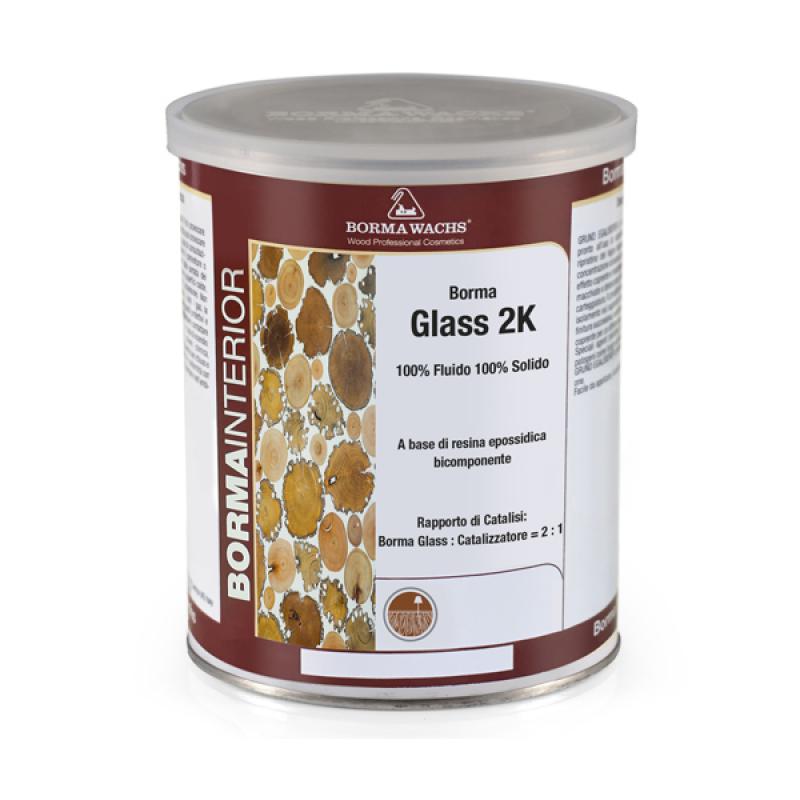
1 kg Borma Glass 2k Bicomponent Glass Effect Epoxy Resin
Veneta Vernici i Perlati - K7 Multisurface Enamel with Fast Drying Pearlescent 1 Kg
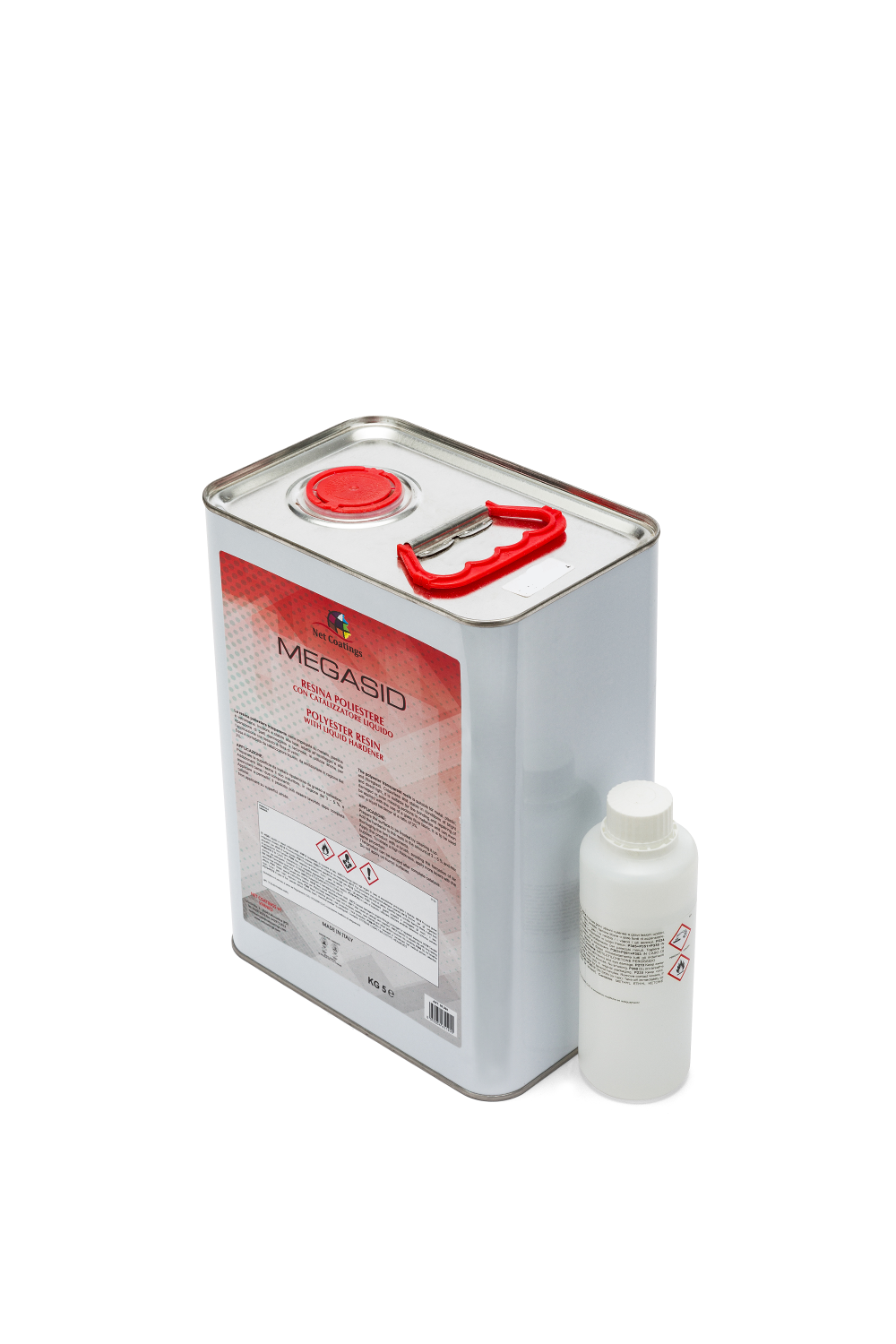
Transparent polyester resin for repairs fiberglass metal plastic 5 KG + catalyst
Catalyst for Glass 2K Epoxy Resin 400 gr
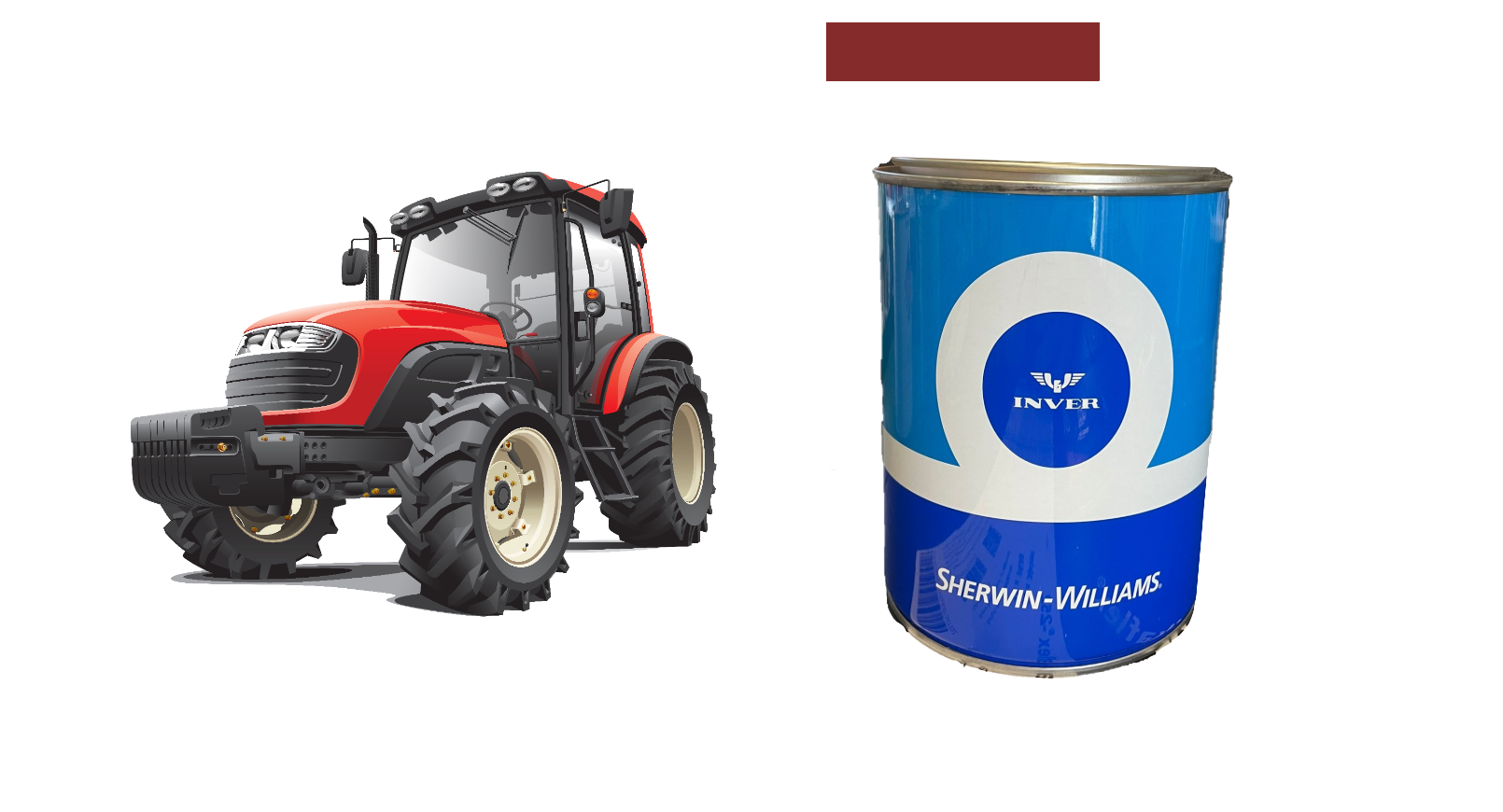
Enamel Paint Fast Drying Nitro Inver For Tractor Fiat Terracotta 22 FIAT 01 Glossy Matt 1KG

FAQ

Difference Between Single-Component and Two-Component Paint

The main difference between single-component and two-component paint is in how it hardens and forms the protective film.

  • Single-component paint (1K) is ready to use: it does not require catalysts and dries by solvent evaporation or exposure to air. It is easier to apply, ideal for small touch-ups or DIY projects. However, it offers lower resistance to scratches, solvents, and UV rays compared to two-component versions.
  • Two-component paint (2K), on the other hand, contains a colored base to be mixed with a hardener (catalyst). The resulting chemical reaction creates a much more durable and glossy film, typical of professional coatings. This type of product is preferred in body shops, especially on new cars or complete restorations.

In summary: 1K for convenience and quick touch-ups; 2K for durability, gloss, and professional results.

Difference Between Acrylic and Polyurethane Paint

Acrylic and polyurethane paints are among the most used in the automotive sector, but they have very different characteristics.

  • Acrylic paint is based on light resins that dry quickly. It is easy to apply, sands well, and provides a good aesthetic effect, but offers medium resistance to external agents. It is perfect for touch-ups, vintage restorations, or for those seeking a balance between quality and simplicity.
  • Polyurethane paint, on the other hand, is a high-performance two-component product: it resists impacts, scratches, solvents, and UV rays better. The result is a harder and glossier film, with long-lasting shine. However, it requires more care in mixing and proper protection during application, as it contains isocyanates.

In summary: acrylic for convenience and a “craft” finish, polyurethane for durability and a professional look.