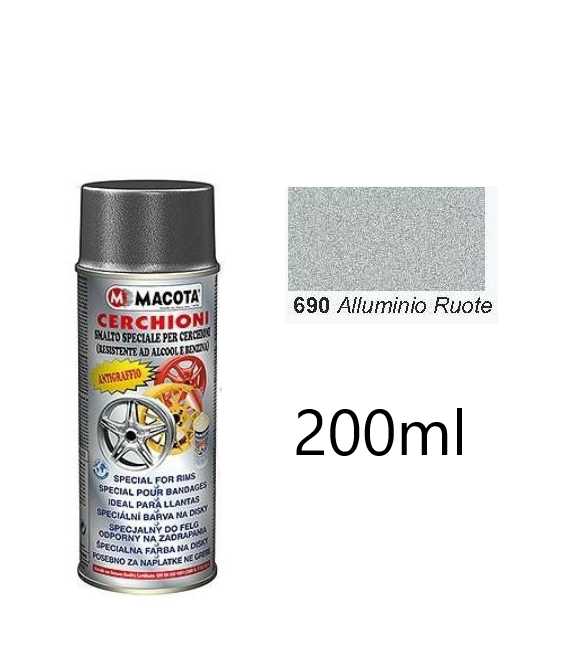

Painting with a spray can is a practical and quick solution, accessible to everyone. To achieve a truly professional result, it is necessary to know some key rules: preparation, ideal distance, technique, and how to avoid runs.
Surface preparation
Good painting always starts with proper surface preparation. A dirty, greasy, or glossy surface can completely compromise the finish. Our tips:
- use an anti-silicone degreaser to remove oils, grease, and contaminants
- matte the surface with fine abrasives (P600–P800) to improve adhesion
- remove dust and residue with a cloth free of lint
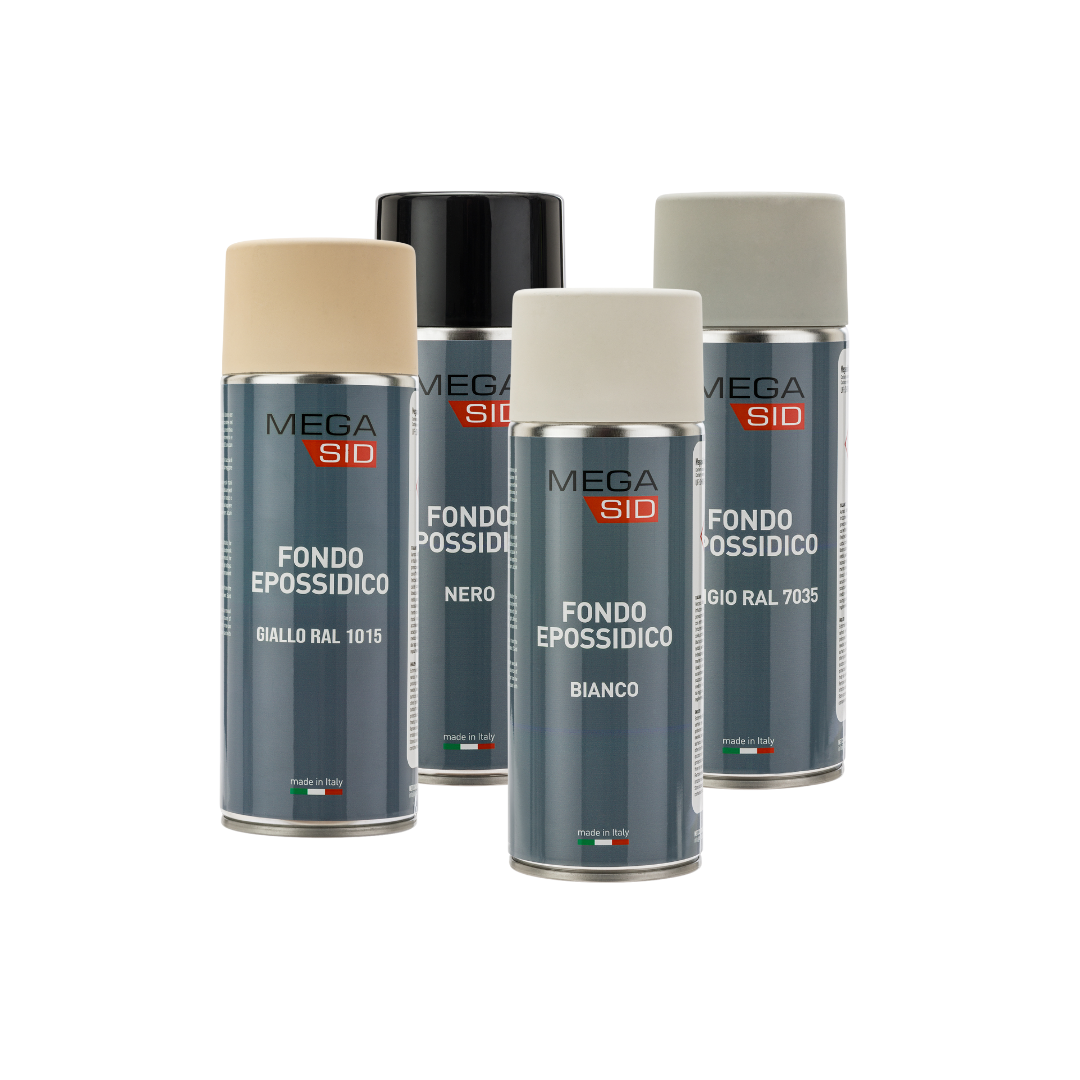
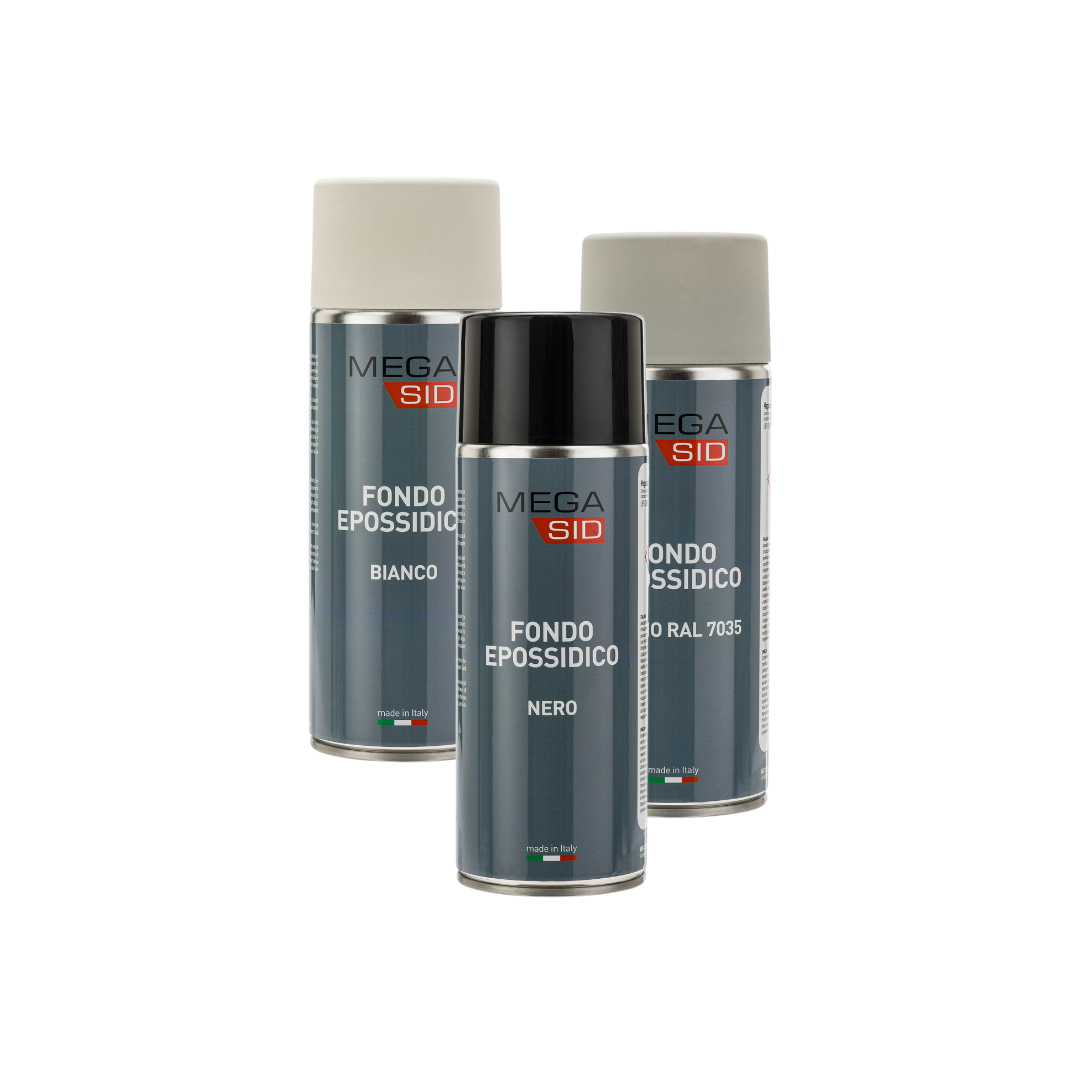
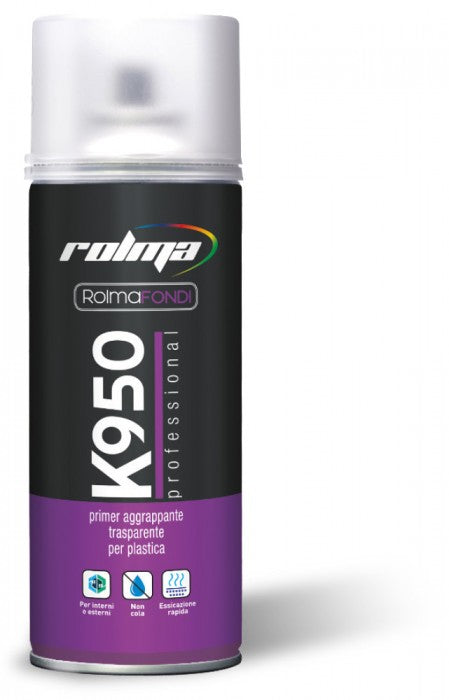
- use a spray primer specific to the type of surface (plastic, metal, or difficult surfaces): it ensures adhesion, uniformity, and durability
The quality of preparation affects more than 70% of the final result.
Ideal spray distance
The ideal distance for an optimal result is between 20 and 30 centimetres.
- under 20 cm → very high risk of runs
- over 30 cm → dry spray, poor coverage, and a rough finish
Always keep the can parallel to the surface and do not move your hand closer or farther away during the pass.
Spraying technique
The spraying technique is essential to achieve a uniform finish:
- start spraying off the surface, then move across the object
- maintain linear movements: first horizontal, then vertical
- never stop in one spot
- overlap each pass by 30% to avoid gaps
- shake the can for at least 1 minute before use and periodically during work
How to avoid runs
Runs are the most common mistake when using a spray can. The secret is not to try to achieve full coverage on the first pass:
- first very light coat: an even "dusting"
- wait 3–5 minutes
- second coat with more coverage, still thin
- third coat only if necessary
For complex surfaces (corners, curves, raised areas), keep the distance constant and work in several short passes.
Ideal environmental conditions
Environmental conditions greatly affect the final result. The best ones are:
- Temperature: between 15 and 25°C
- Humidity: low
- Environment: no wind, dust, or draughts
- Avoid: direct sunlight and hot surfaces
These conditions ensure a smoother surface and a more durable finish.
Clear coat spray
To achieve a professional, durable finish, especially outdoors, apply a clear coat spray. The surface will have greater resistance to scratches and wear, UV protection, extra gloss or a matte effect, and a longer-lasting overall paint system.